Data & AI

Advanced Analytics

Turn data into competitive advantage. Anticipate the future and make decisions based on facts, not intuition.

View Dashboards

What Do Your Data Say?

Descriptive analytics ("what happened") is no longer enough. Leading companies use predictive analytics ("what will happen") and prescriptive analytics ("what should we do") to lead the market.

At Avantit, we combine data science with business knowledge to create models that solve real problems and generate measurable ROI.

  • Data storytelling
  • Explainable models (XAI)
  • Integration with business processes
  • Democratization of data access
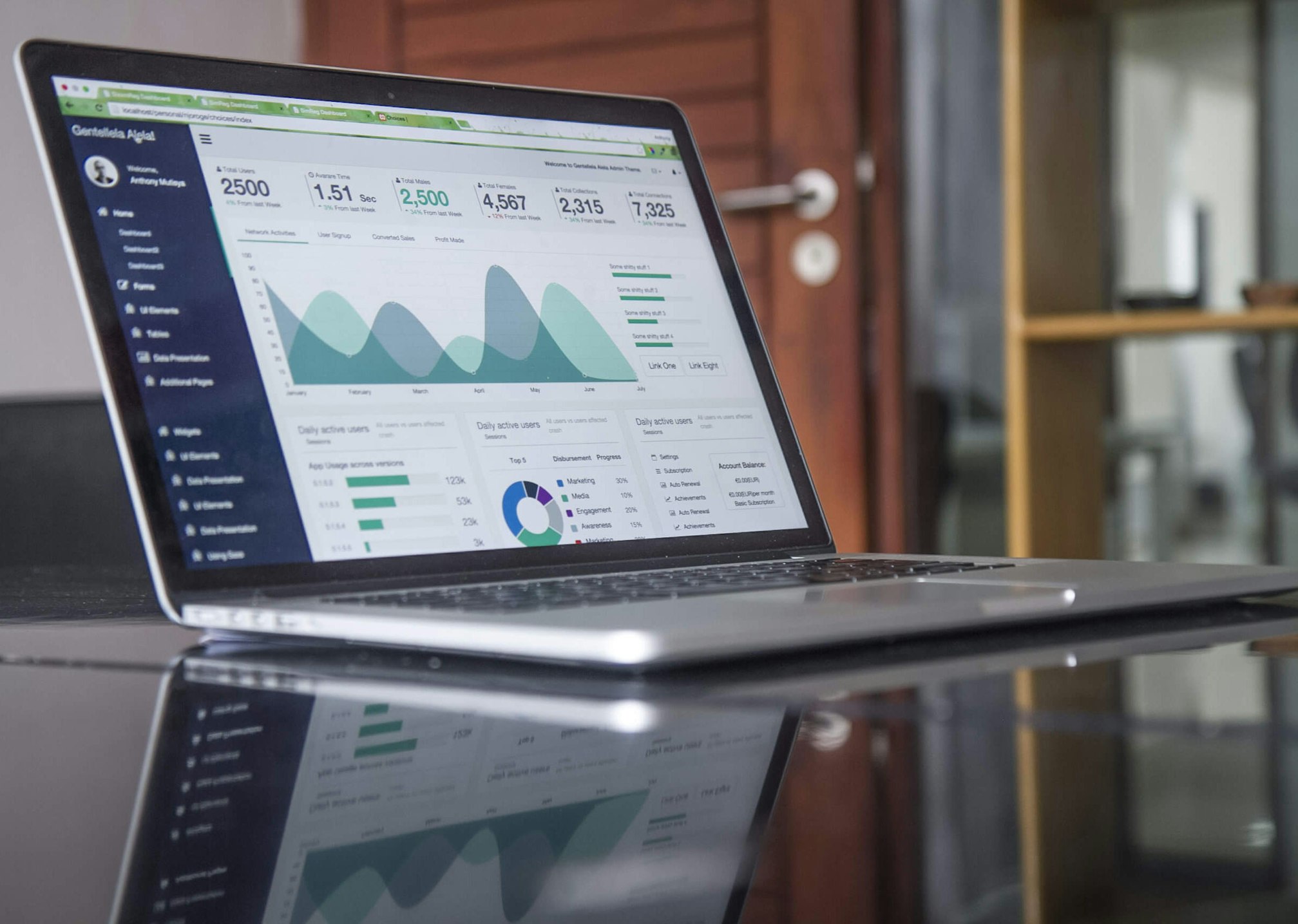
Power BI advanced analytics and predictive modelling by AvantIT — business intelligence, machine learning and forecasting

Methodologies

Predictive Modeling

Using Machine Learning algorithms to forecast future trends based on historical data.

Customer Segmentation

Advanced clustering to identify groups of customers with similar behaviors and personalize offers.

Interactive Dashboards

Visualization of complex data in intuitive and actionable Power BI reports for management.

Anomaly Detection

Automatic identification of unusual patterns in financial transactions or industrial operations.

Success Stories

Sales Forecasting

Sales Forecasting

Accurate estimation of future revenue to optimize inventory and financial planning.

Read Case Study
Churn Prediction

Churn Prediction

Identification of customers at risk of leaving for proactive retention actions.

Fraud Detection

Fraud Detection

Real-time monitoring to block suspicious activities and protect the business.

Want to predict the future of your business?

Start using your data strategically today.

Schedule Demo

Frequently Asked Questions

Frequently Asked Questions

Get answers about this service

A dashboard tells you what happened. Advanced analytics estimates what is likely to happen next and what to do about it — demand forecasts, churn likelihood, which orders are at risk of being late. The distinction matters commercially: a dashboard changes a meeting, a forecast changes a decision.
Enough history to contain the pattern you want to predict, which usually means at least two full seasonal cycles — for most businesses, two to three years. Volume matters less than consistency: a small, clean, well-labelled dataset beats a large one where the definition of a field changed halfway through.
Not to start, and often not at all. Most valuable forecasting in a mid-sized company is well served by Azure Machine Learning's automated modelling or by the forecasting built into Power BI, both of which produce something your analysts can read and challenge. What you do need is a person who owns the business definitions, and that cannot be outsourced.
By measuring it against what actually happened, on data it never saw during training, and by comparing it to the naive alternative — last month's number, or last year's same month. A model that cannot beat the naive baseline is not worth operating, and we would tell you so rather than deploy it.
It runs in your own Azure subscription, in the region you choose. Selecting a European region keeps the data resident there. Nothing is copied to our infrastructure, and the models and pipelines belong to you.